2026 Top Bike TFT Display Trends for Global Buyers?
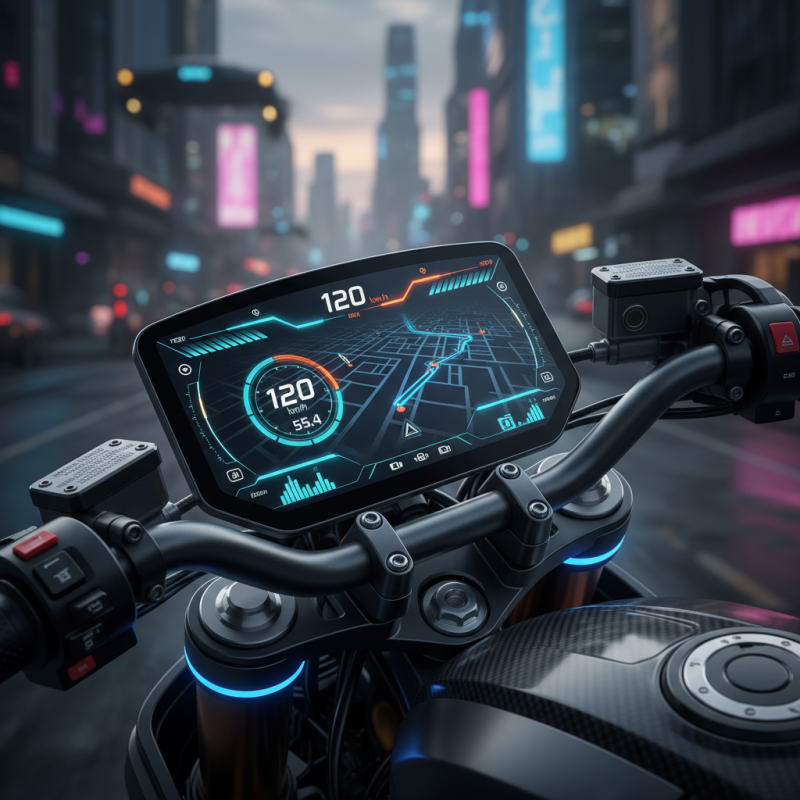
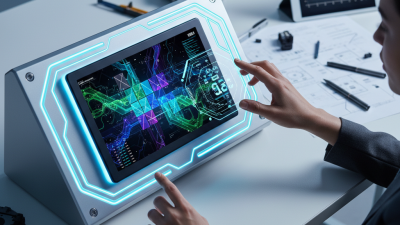
In recent years, the Bike TFT Display has become a pivotal feature for modern bicycles. This trend is reshaping how cyclists interact with their bikes. With the rise of smart technology, users now expect more from their displays.
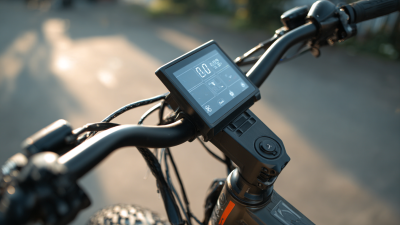
The 2026 market is poised to showcase innovative Bike TFT Display technologies. These advancements promise clearer visuals, improved connectivity, and real-time data tracking. Cyclists can easily monitor speed, distance, and navigation. However, the wide variation in quality remains a challenge for buyers.
As global consumers explore these options, understanding the latest features is crucial. It helps them make informed decisions. The expertise surrounding Bike TFT Display will play a significant role in shaping cycling experiences. With rapid advancements, staying updated is essential. Nevertheless, one must cautiously evaluate every product's reliability and compatibility.
Key Features of 2026 Bike TFT Displays for Global Markets
In 2026, the trends for bike TFT displays are leaning toward enhanced functionality and user experience. Research from the Global Automotive Display Market Report indicates that the TFT display market will grow by approximately 7.4% annually, driven by advancing technology and user demand. Key features include sharper graphics, real-time data sharing, and seamless connectivity with smartphones, which are becoming essential for modern cyclists.
In addition to visuals, durability remains a priority. Many new TFT displays are designed to withstand harsh weather and vibrations. A recent study highlights that over 60% of bikers prefer displays that remain functional in extreme conditions. This emphasis on resilience reflects the needs of active users engaged in diverse riding environments.
Tip: When choosing a bike TFT display, consider the clarity of the screen under direct sunlight. This detail can significantly impact usability during your ride. Additionally, check for features like customizable dashboard layouts, which enhance usability and personalization. Not all displays handle these aspects equally well, so careful evaluation is crucial.
2026 Top Bike TFT Display Trends for Global Buyers
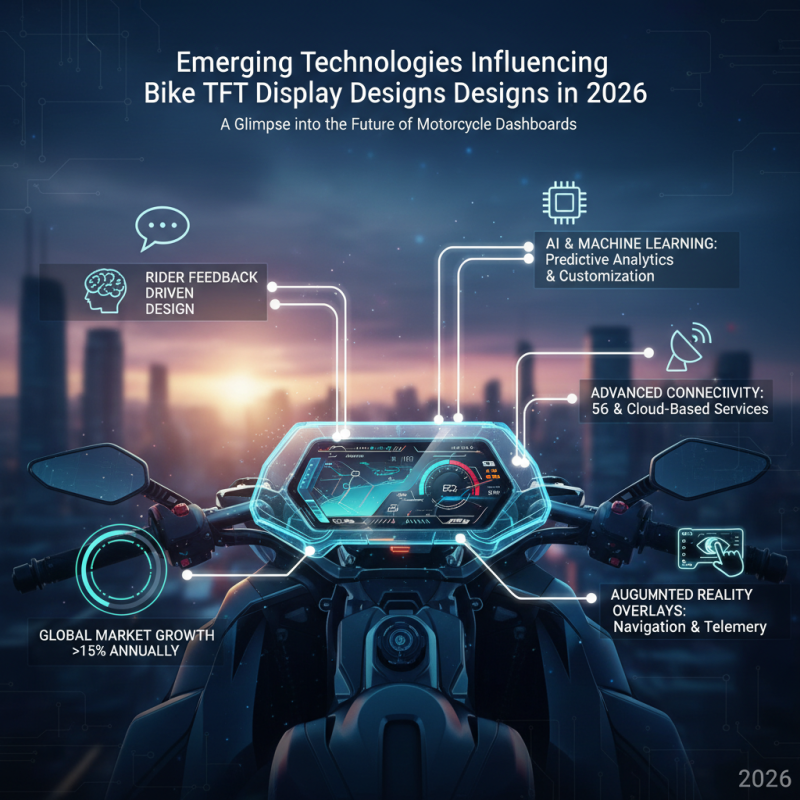
Emerging Technologies Influencing Bike TFT Display Designs in 2026
As we approach 2026, bike TFT displays are poised for significant transformation. Advancements in technology are reshaping design elements, offering users enhanced functionality. According to recent industry reports, the global bike display market is expected to grow by over 15% annually. With this growth, rider feedback will become key in influencing design choices.
Emerging technologies are driving innovations in TFT displays. Augmented Reality (AR) integration offers riders seamless navigation experiences. Data visualization capabilities allow real-time performance tracking. This focus on data-driven design highlights user needs while enhancing safety. For instance, interactive displays can provide alerts for maintenance and route changes.
Sustainability trends are also impacting display designs. Many manufacturers are exploring eco-friendly materials in production. Reports suggest that 40% of buyers are now more environmentally conscious. This shift towards sustainability pushes companies to innovate, reflecting changing consumer priorities. Additionally, the challenge remains to balance sustainability with performance and cost-effectiveness. Continuous feedback loops from users will be crucial in addressing these concerns.
Consumer Preferences Shaping the Future of Bike TFT Displays
The demand for TFT displays in bikes is rapidly evolving, driven by consumer preferences. Recent industry reports indicate that over 70% of bike users prioritize high-resolution screens. Clear visibility in sunlight is crucial. Many buyers want customizable interfaces for a tailored experience. These preferences are pushing manufacturers to innovate.
Users show a clear inclination toward intuitive designs. A survey revealed that 65% of riders favor multifunctional displays that offer navigation, speed tracking, and fitness data. Feedback suggests that durability is as important as aesthetic appeal. TFT displays need to withstand diverse weather conditions. In fact, 60% of consumers opt for displays with enhanced water and dust resistance.
Tips: Consider your specific needs when choosing a display. Think about usability in bright daylight and adverse weather. Research different options to find the best fit. Always keep evolving tech trends in mind. They can significantly impact your riding experience.
Sustainability Trends Impacting Bike Display Manufacturing in 2026
As we approach 2026, sustainability is poised to reshape the bicycle display manufacturing landscape. Manufacturers are increasingly focused on reducing their carbon footprint. This shift is driven by consumer demand for eco-friendly products. Specialized materials that minimize environmental impact are becoming essential in production. For instance, recycled plastics and bio-based composites are gaining traction. Their adoption is not just a trend, but a necessity for responsible manufacturing.
Moreover, the design of bike TFT displays is evolving. Compact, energy-efficient screens are replacing older models. These innovations promise better energy management while maintaining visual quality. However, challenges remain. The balance between sustainable materials and high performance is delicate. Companies face the struggle of ensuring durability without sacrificing ecological responsibility. Feedback from cyclists reveals a desire for longer-lasting products that do not harm the environment.
This era will require manufacturers to rethink their strategies. Transparent communication about sustainability efforts is key. Buyers need to understand the benefits of the changes being made. Combining technical prowess with environmental consciousness might not be easy. Yet, the direction is clear: embrace sustainability, or risk falling behind in a competitive market.
2026 Top Bike TFT Display Trends for Global Buyers
| Trend |
Description |
Impact on Manufacturing |
Sustainability Aspect |
| Smart Connectivity |
Increased integration of Bluetooth and IoT technologies for seamless data sharing. |
Encourages new design protocols and software integration. |
Contributes to better resource management through data insights. |
| Eco-Friendly Materials |
Shift towards biodegradable and recycled materials in display production. |
Requires investment in new material processes and supply chains. |
Reduces environmental impact and aligns with eco-conscious consumer preferences. |
| Enhanced User Interfaces |
Focus on user-friendly designs and customizable interfaces for better user experience. |
Driving innovation in display technology and user engagement. |
Promotes user satisfaction, potentially reducing waste from returns. |
| Advanced Energy Efficiency |
Adoption of low-power technologies and energy-efficient designs in displays. |
Increases demand for R&D in power management technologies. |
Lowers energy consumption and promotes sustainability in the biking industry. |
| Augmented Reality Integration |
Utilization of AR for navigation and bike performance feedback. |
Encourages development of compatible hardware and software ecosystems. |
Reduces dependence on physical navigation tools and printed materials. |
Competitive Landscape: Major Brands in the 2026 Bike TFT Display Market
The bike TFT display market is evolving rapidly. In 2026, competitive dynamics will shape the future landscape significantly. Major players are focusing on innovations to enhance user experience. According to a recent market report, the global bike TFT display sector is expected to grow by over 15% annually. This trend indicates a strong demand for high-quality displays that offer both functionality and aesthetic appeal.
Many companies are investing in R&D to create displays with improved readability in varying light conditions. Advanced features like navigation and connectivity are becoming standard. However, the challenge remains in balancing cost and technological advancement. Smaller brands struggle to compete against established companies. They often lack the resources to innovate at the same pace, leading to potential market gaps.
User feedback often highlights the need for greater durability and weather resistance in bike displays. While many displays excel in clarity, some models are prone to damage in harsh conditions. Addressing these issues will be critical for brands aiming to solidify their market position. The interplay between performance and reliability will define the competitive landscape in the coming years.